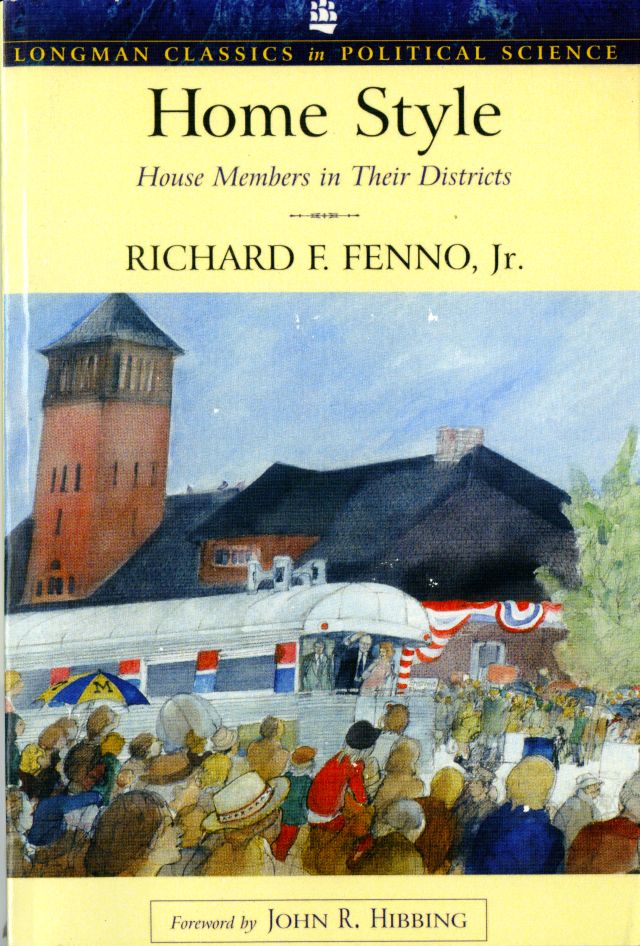
Articles Based on the Writings of Richard F. Fenno, Jr.
“Through the Looking Glass, Darkly: What has Become of the Senate?,” The Forum
Sarah Binder, The Brookings Institution and George Washington University
Some twenty years ago, Richard F. Fenno, Jr. published “The Senate Through the Looking Glass” – a particularly illuminating and trenchant assessment of the state of the Senate. Listening to senators debate whether to allow television cameras into the chamber, Fenno concluded that the Senate was still capable of thoughtful deliberation and consensual decision-making. In this article, I take a Fenno-inspired peek through the looking glass at the contemporary Senate, using a recent parliamentary dispute to probe senators’ views about their institution. The view is unusually dark. Two decades after Fenno’s assessment, rising partisanship has made the Senate nearly ungovernable—leaving a chamber that struggles to fulfill its most basic constitutional duties.
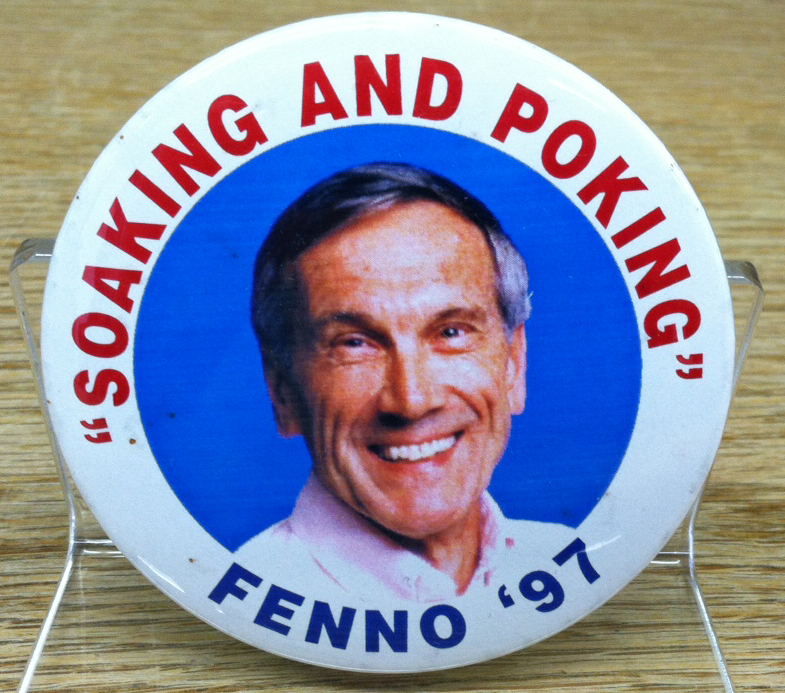
“Explaining Institutional Change: Soaking, Poking, and Modeling in the U.S. Congress“
John H. Aldrich, Duke University and Kenneth A. Shepsle, Harvard University
Prepared for a conference in honor of Richard F. Fenno, University of Rochester, October 24-25, 1997.
Students of the U.S. Congress (like students of other institutions) are often fascinated by the details of institutional change. Inasmuch as the institutional ways and means of conducting an organization’s political business often have significant if not decisive effects on what actually happens there, it is not surprising that scholars and journalists alike freight occasions of institutional change with great significance. Institutional arrangements are akin to the rules of the game, and it is supposed — sometimes formally, other times implicitly — that these arrangements surely stack the deck for some outcomes and against others, in favor of some programs and against alternatives. They may even create, change, or destroy equilibrium ways of doing things.